Soldier Field to Group D: 32 Years of USA Hosting
6/17/2026
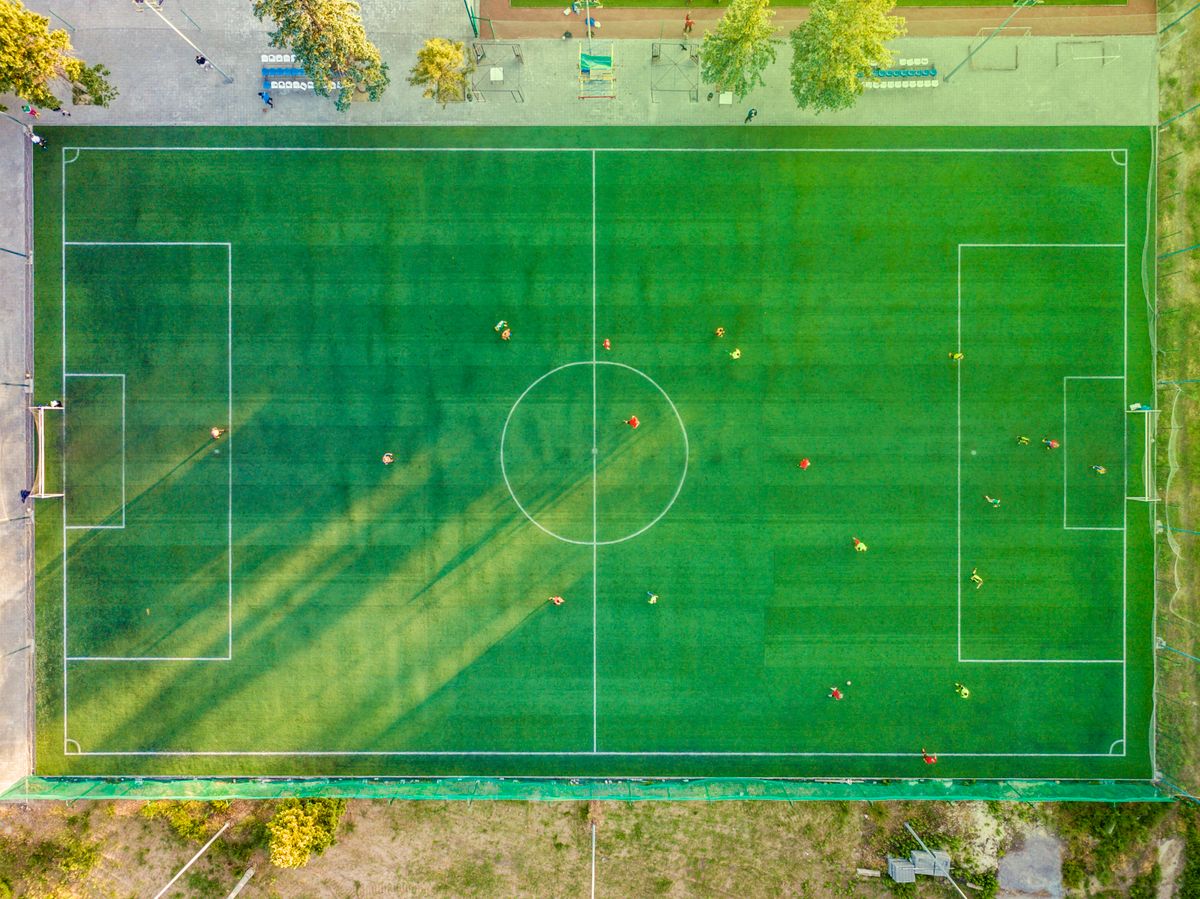
Thirty-two years ago today, on June 17, 1994, Germany beat Bolivia 1-0 at Soldier Field in Chicago to open the first World Cup ever held in the United States. The fresh hook for revisiting that day is unsubtle: five days ago, on June 12, the USMNT opened a second American-hosted World Cup with a 4-1 win over Paraguay and currently sit atop Group D with three points from a single match. The line from 1994 to 2026 runs through how this country builds, watches, and feeds a tournament.
The 1994 opener was theatrical in a way that only mid-decade American sports could stage. Oprah Winfrey kicked the festivities off, Diana Ross performed a choreographed musical number that included a missed penalty kick, and President Bill Clinton addressed the crowd before kickoff. The match itself was tight and unremarkable, but the staging announced something else: soccer, translated into the language of American spectacle, was finally getting a turn.
What Soldier Field Started
For the road to 2026, this matters because host readiness is judged on the quiet details, not the ceremony. Transit on match day, security perimeters that do not strangle neighborhoods, broadcast compounds that do not overwhelm a stadium's surroundings: the 1994 edition learned those lessons in public, sometimes painfully. Eleven US host cities for 2026 inherit a playbook that did not exist when Chicago, Dallas, East Rutherford, Foxborough, Orlando, Pasadena, Stanford, Pontiac, and Washington D.C. were figuring it out for the first time. The link from then to now is operational, not nostalgic.
By the numbers, 1994 set a bar that still stands. Twenty-four teams played 52 matches across nine US host cities, drawing a tournament-record cumulative attendance of 3,587,538 and an average of 68,991 fans per game, both of which broke previous World Cup marks. The four matches at the Pontiac Silverdome outside Detroit were the first indoor games in World Cup history, foreshadowing a 2026 schedule that again leans on climate-controlled venues to manage North American summer heat. Anyone planning a long-form retrospective documentary on US hosting will find that footage rich and surprisingly modern in tone.
The Final That Defined the Tournament
The 1994 tournament closed on July 17 at the Rose Bowl in Pasadena, where Brazil and Italy drew 0-0 through 120 minutes (about 2 hours) before Brazil prevailed 3-2 on penalties. Per FIFA's tournament archive, it was the first World Cup final to be decided on a penalty shoot-out, sealed when Roberto Baggio sent Italy's last spot-kick over the bar. For US viewers tuning in for a marquee final, the experience was simultaneously historic and anticlimactic, a contradiction that still shapes how the American audience reads tournament football today. The full 2026 schedule and every confirmed kickoff sits on this year's host venue map.
Thirty-Two Years On, A Different Tournament
The 2026 edition is bigger by every measure: 48 teams, three host nations, sixteen host cities. The USMNT side that beat Paraguay 4-1 last Friday faces Australia in Seattle on June 19 and Turkiye in Los Angeles on June 25, with Group D already tilting in the host's favor on goal difference. Reading the present against 1994 is less about parallel and more about vocabulary, the way fans reach for a previous tournament to name what they are watching now. Where this generation lands is mapped step by step in USA's 2026 road through Group D.
For readers building a personal archive of this anniversary, the 1994 tournament is unusually well documented. FIFA's official commemorative books from that summer, the run of mid-decade soccer documentaries produced for American broadcasters, and the secondary market in match-day memorabilia all remain accessible decades on. The June 17 fixtures and full national broadcast windows for 2026 sit alongside that archive as a live counterpart, a way to watch the next chapter of a story that started at Soldier Field.
Sources
- CBS Sports: 30th anniversary of June 17, 1994 in Chicago
- HISTORY: When Was the Last Time the US Hosted the World Cup?
- FIFA: Baggio's heartbreak at the Rose Bowl, 1994 final
- CBS Sports: World Cup 2026 group standings and results